The Plant Books Worth Owning

The Plant Books Worth Owning

Plants are the one design element that instantly makes a space feel lived-in. But the difference between having plants and living well with them usually comes down to inspiration.

These are the five planting books I reach for most—not as strict how-to manuals, but as visual guides for integrating greenery into real homes. They’re design-forward, beautifully shot, and practical enough to actually use. The kind of books that stay out, get referenced often, and quietly influence how a room comes together.

If you like your plant books to be as considered as your interiors, start here.

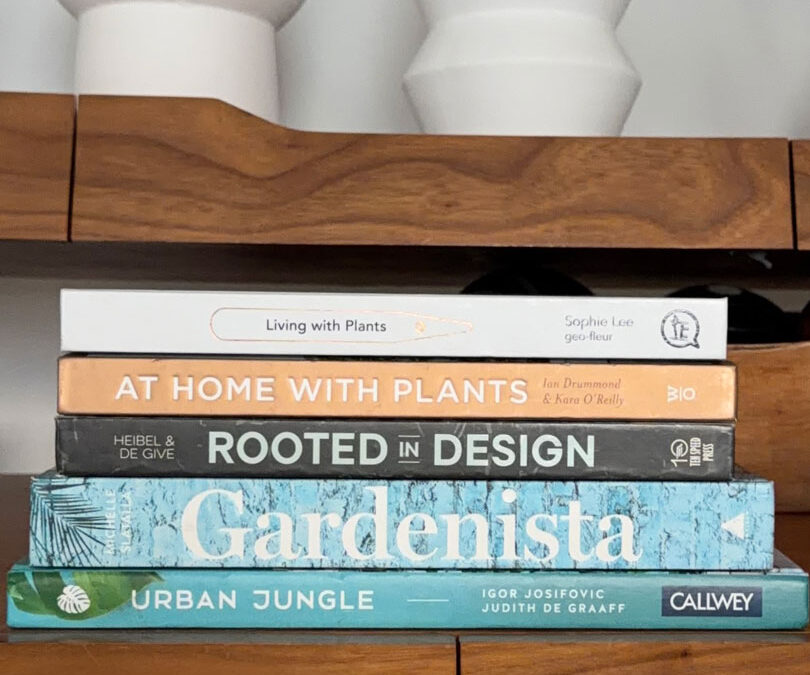
Living With Plants - Sophie Lee

A beautifully edited guide to integrating plants into everyday living spaces. This one focuses less on rules and more on vibe—how plants change the feel of a room, soften architecture, and make a home feel alive without trying too hard.


Rooted in Design - Heibel & De Give

This is where interiors and greenery meet intention. Thoughtful layouts, modern spaces, and plant-forward rooms that feel architectural, not cluttered. A must if you care about design as much as the plants themselves.


At Home With Plants - Ian Drummond & Kara O'Reilly

Part inspiration, part practical. This book strikes the perfect balance between aspirational spaces and realistic plant care, making it ideal for people who love the look of plants but still want them to survive.


Houseplants - Steinkopf

A visually driven reference that’s as useful as it is beautiful. This one earns its place on the coffee table and gets pulled down regularly for guidance. Clean, classic, and endlessly relevant.


Gardenista - Michelle Slatalla 

If you love the Gardenista aesthetic, this book delivers. Smart, edited, and design-forward, it’s less about fuss and more about restraint—proof that great plant styling doesn’t need excess.
Collected, Not Matchy

Collected, Not Matchy

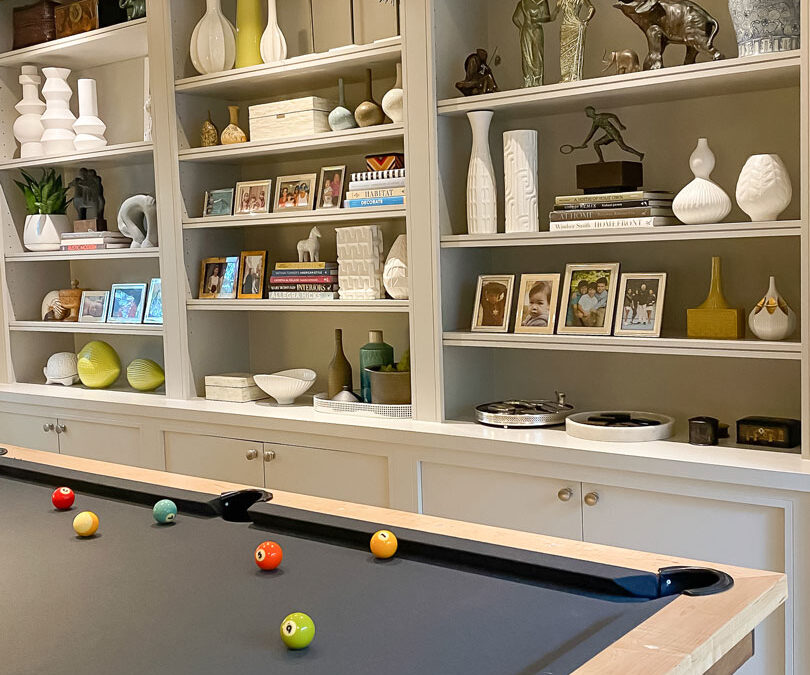
This shelf works because nothing here is trying too hard.

The mix is intentional: Jonathan Adler figurines and vases bring sculptural personality, Chairish finds add history and soul, and a few West Elm staples keep everything grounded and modern.

What makes it feel cohesive:

  • Repeating neutral tones so shapes can stand out

  • Varying heights and materials—ceramic, metal, glass, paper

  • Mixing sentimental pieces (family photos) with design objects

  • Leaving negative space so nothing feels crowded

It’s not about where everything came from—it’s about how it lives together. High, low, vintage, new. When the balance is right, the shelf tells a story without spelling it out.

Takeaway:

Good styling isn’t matching. It’s editing.

Mudroom, but Make It Fashion

Mudroom, but Make It Fashion

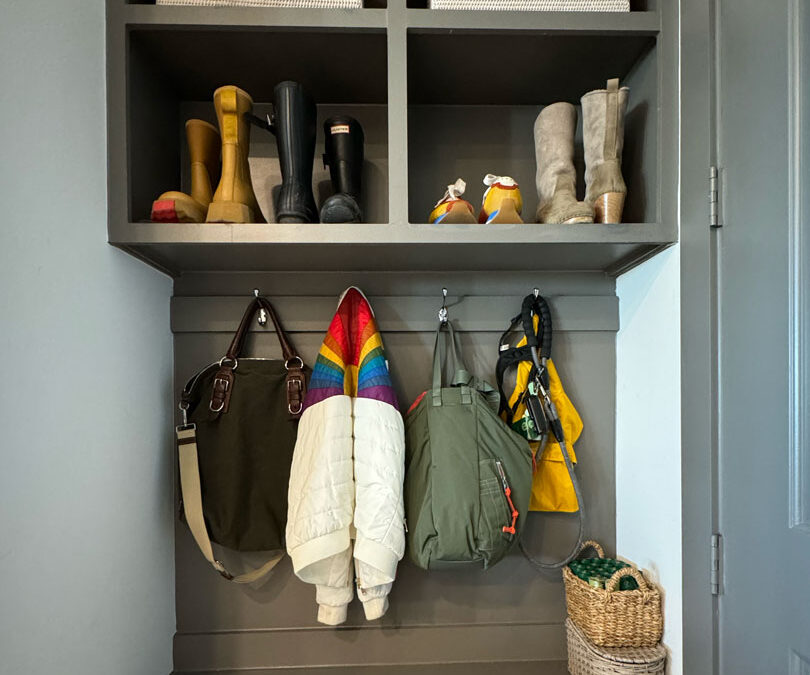
This is my version of an organized entryway that still has personality.

The Aviator Nation jacket lives front and center because it earns it—colorful, cozy, and impossible to ignore. It’s the piece that makes the whole setup feel less utilitarian and more styled.

Below and above, the real workhorses:

  • Hunter boots for rain, mud, and real life

  • Off-White boots when I want function and edge

The built-ins keep everything contained, baskets hide the mess, and nothing feels precious. That’s the goal. A space that works hard without looking like it’s trying.

Takeaway:

Your mudroom doesn’t have to feel like a dumping ground. Let one great piece lead, keep the rest practical, and call it done.

Books as Furniture, Storage as Style

Books as Furniture, Storage as Style

This corner of my office is where design and practicality shake hands.

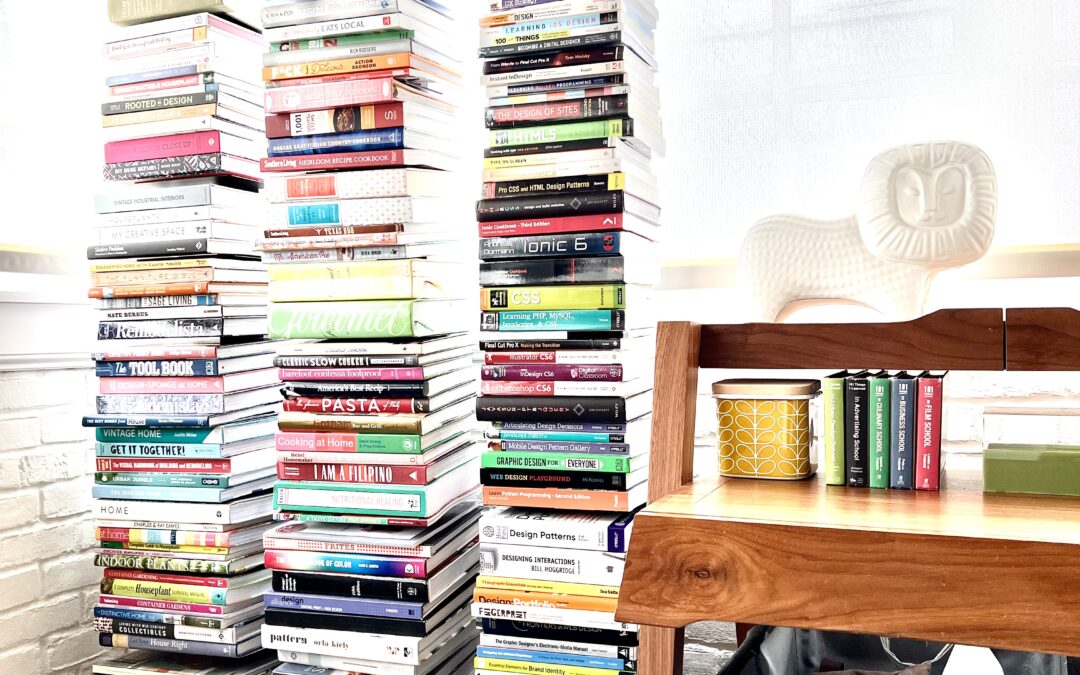
Instead of traditional shelving, I stack my Sapiens books vertically—cookbooks, design references, typography favorites—turning them into functional sculpture. The spines, colors, and varying heights do all the work. It’s organized chaos, and I love it.

Next to them: the Steele Canvas rolling bin—one of those quietly perfect pieces. Heavy-duty, minimal, and endlessly useful, it holds everything I don’t want out in the open while still looking intentional. Extra throws, gear, “deal with later” stuff… gone.

Books don’t need shelves. Storage doesn’t need to hide. Good design earns its place by being useful and beautiful.

SHOP

In Steam I Trust

In Steam I Trust

gabonista

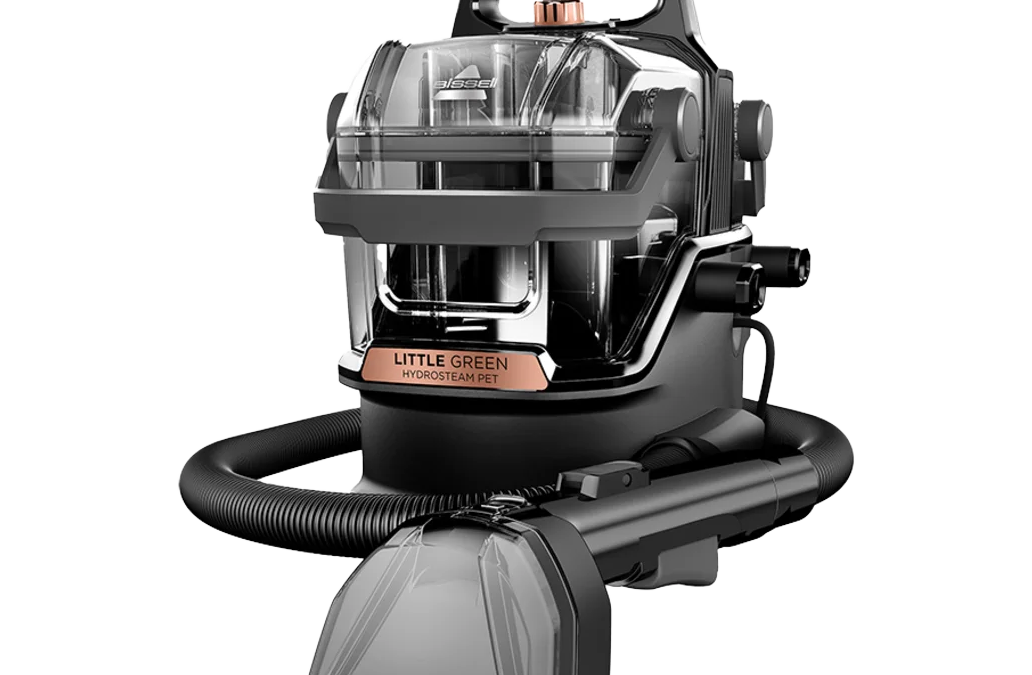
Little Green® HydroSteam® Pet Portable Carpet Cleaner

I don’t throw around the phrase “can’t live without” lightly. I’ve owned plenty of cleaning gadgets that promised miracles and delivered… vibes. This is not one of those.

If you have pets, rugs, or a shred of sanity you’re trying to protect, the Little Green® HydroSteam® Pet Portable Carpet Cleaner has earned permanent real estate in my house.

I use it almost once a week with consistently incredible results. One of my dogs was abused for having accidents, so he pees on rugs to disguise it. This is the only portable cleaner I’ve used that actually emits real steam—and that’s the difference.

Sprays, enzyme cleaners, and older machines only masked odors. Stains always came back. This one doesn’t play that game.

Why It Works (The Steam Matters)

Real steam:
• Penetrates deep into rug fibers
• Breaks down old, set-in stains
• Eliminates odor at the source

Rugs that looked permanently dingy actually look clean again—not damp-clean or wishful-clean. Just clean.

My Simple Routine

After use, I empty the dirty tank (brace yourself), then run hot sink water through the system twice. Let it air dry. That’s it. It stays fresh, odor-free, and ready for the next inevitable accident.

Final Verdict

This isn’t a nice-to-have. It’s a household essential if you have pets, rugs, or upholstery. I could not live without it. Full stop.