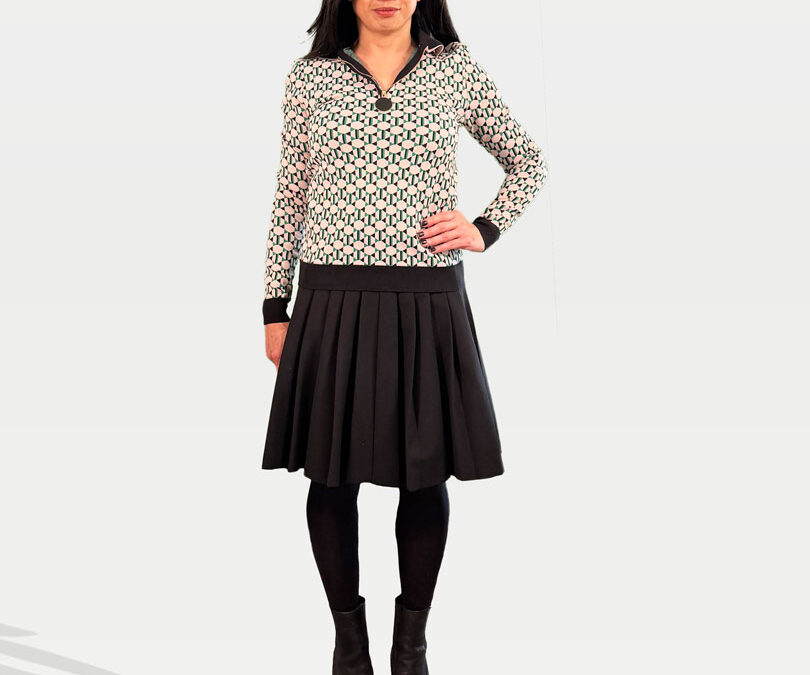
Marni Printed Sweater, Red Valentino Black Pleated Skirt and Ankle Boots
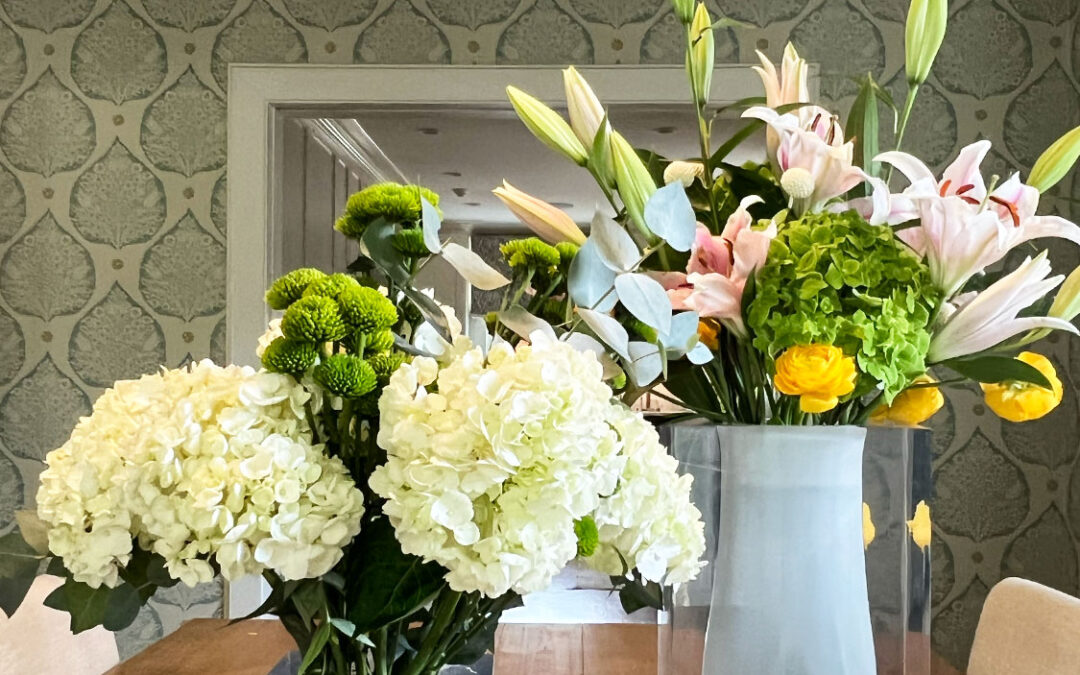
Flower Arranging 101
Simple tips for styling flowers like a florist—without the fuss
Fresh flowers instantly elevate any room, but it only takes a few missteps to make a beautiful bunch look… basic. The good news? A little know-how goes a long way.
Here’s how to make your blooms look intentional, elegant, and long-lasting.
1. Free the Flowers
Remove all packaging, plastic wrap, string, and rubber bands. Let each stem breathe and fall into its natural shape.
You’d think this would be obvious, but you’d be surprised how many people skip this step—don’t be one of them.
2. Cut the Stems on an Angle
Trim each stem at a 45-degree angle using clean, sharp scissors or floral shears. This increases water absorption and keeps your flowers hydrated longer. For best results, cut under running water or submerge the stems while trimming.
3. Vary the Heights
Your arrangement will look more natural and professional if the flowers aren’t all the same height. Stagger the stem lengths slightly, creating soft layers and dimension. Use your vase as a guide—if it’s shallow, trim more. If it’s tall and narrow, leave a little extra length on your focal blooms like peonies or hydrangeas.
4. Use Fresh Water + Flower Food Daily
Fill your vase with room-temperature water and mix in one of those little powder packets. Change the water every day and rinse the stems to keep bacteria at bay. Clean water = longer life.
No flower food? Add 1 tsp sugar + a few drops of bleach as a DIY substitute.
5. Fluff and Space Everything Evenly
Remove any leaves that would sit below the water line to prevent rot. Then, gently separate the stems and build your arrangement with balance in mind:
-
Tallest blooms in the center or back
-
Big, dramatic flowers (like peonies or hydrangeas) toward the base and front
-
Smaller or more delicate stems (like ranunculus) in between to fill gaps
Turn the vase as you go to make sure every side looks good. Uneven = interesting. Clumped = not so much.
Favorite Flowers to Arrange
-
Peonies – Fluffy, romantic, and slightly dramatic. These are always the stars.
-
Hydrangeas – Huge, soft, and perfect for volume.
-
Ranunculus (Persian Buttercups) – Layered and lovely with a little movement.
-
Water Lilies – Use as a floating accent or bold solo moment in a low bowl.
-
Anemones, Tulips – Elegant but with personality. These add shape and charm.
Flower arranging should feel creative, not complicated. Start with a few rules, mix in your favorites, and trust your instincts.
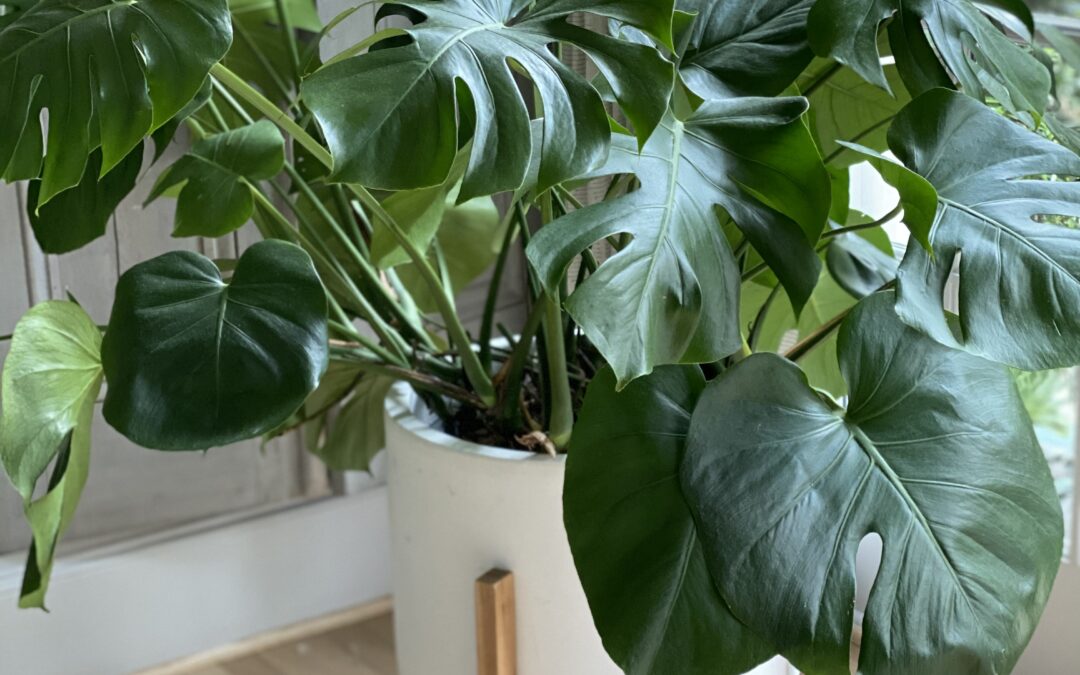
Monstera Deliciosa Care: Big Vibes, Easy Living
This post contain affiliate links.
Light: Bright, Indirect is Best
Monsteras love light, but not direct sunlight. Place it near a window with filtered light or in a bright room where the sun doesn’t directly hit the leaves. Too much sun can scorch them; too little will stunt those gorgeous split leaves.
Watering: Don’t Overdo It
This is the most common mistake—do not overwater. Wait until the top 2 inches of soil are dry before watering again. Overwatering can lead to root rot, yellowing leaves, and a very unhappy plant. When in doubt, it’s better to underwater than overwater.
→ I use this: watering can with a long spout for easy control.
Drainage Matters
Make sure your pot has a drainage hole, and always use drainage rocks or clay pebbles at the bottom to help excess water escape. Good drainage keeps the roots healthy and prevents soggy soil disasters.
→ Favorites:
- 10" ceramic planter with drainage holes
- Bag of 2-3" drainage rocks
- Case Study Midcentury Modern Planter
Give It Something to Climb
Monsteras are natural climbers! Adding a moss pole or a sturdy plant stake helps the plant grow taller and supports larger leaf development. Without support, it may sprawl and become unruly.
→ I recommend: Adjustable moss pole
Keep the Leaves Clean and Prune Dead Leaves
Wipe the leaves occasionally with a damp cloth to remove dust and help them soak up more light. Plus, shiny, clean leaves just look better. Be sure to prune dead leaves to promote new growth.
→ Use this: Microfiber plant cloths and pruning shears
Humidity & Temperature
Monsteras love warmth and humidity—think tropical. Regular room temperature is fine, but they’ll appreciate an occasional misting or a nearby humidifier, especially in dry climates.
→ Consider: plant mister